Chemical engineering students urged to apply for Master’s in Engineering Bursary Programme
JUNE 9, 2026 – Final-year BSc/BEng Chemical Engineering students and recent graduates have until 12 June 2026 to apply for the 2027–2028 Master’s in Engineering Bursary Programme, an initiative of the Paper and Allied Manufacturers Association of South Africa (PAMSA).
The two-year bursary, valued at R320,000, supports two years of full-time postgraduate study and research at one of four participating universities: North-West University, Stellenbosch University, the University of Pretoria and the University of the Witwatersrand.
For students eager to use their chemical engineering skills to help shape the future of industry, the programme offers a pathway into one of South Africa’s most innovative manufacturing sectors.
“The pulp, paper and related products are rooted in the use of renewable wood fibre and recycled paper fibre, process efficiency and the circular bioeconomy,” says Jane Molony, executive director of PAMSA, the industry association representing paper and allied manufacturers in South Africa.
“This bursary gives young engineers the opportunity to work on research that is not only academically rigorous, but also directly relevant to industry. Their projects can contribute to improved resource efficiency, waste-to-value innovation, bio-based materials, renewable fuels and more sustainable manufacturing processes.”
The impact of this 16-year long programme has been seen through the work of many students and graduates.
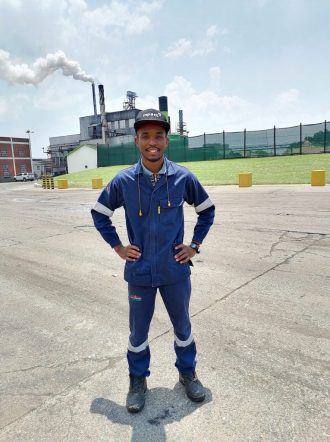
Qiniso Ngiba, a process engineer and graduate of the 2020–2021 Master’s programme at Stellenbosch University, researched the conversion of lignin from waste pulping liquors into slow-release nitrogen fertilisers and soil conditioning materials. His work supported the more sustainable use of forestry resources by exploring new value from an existing by-product.
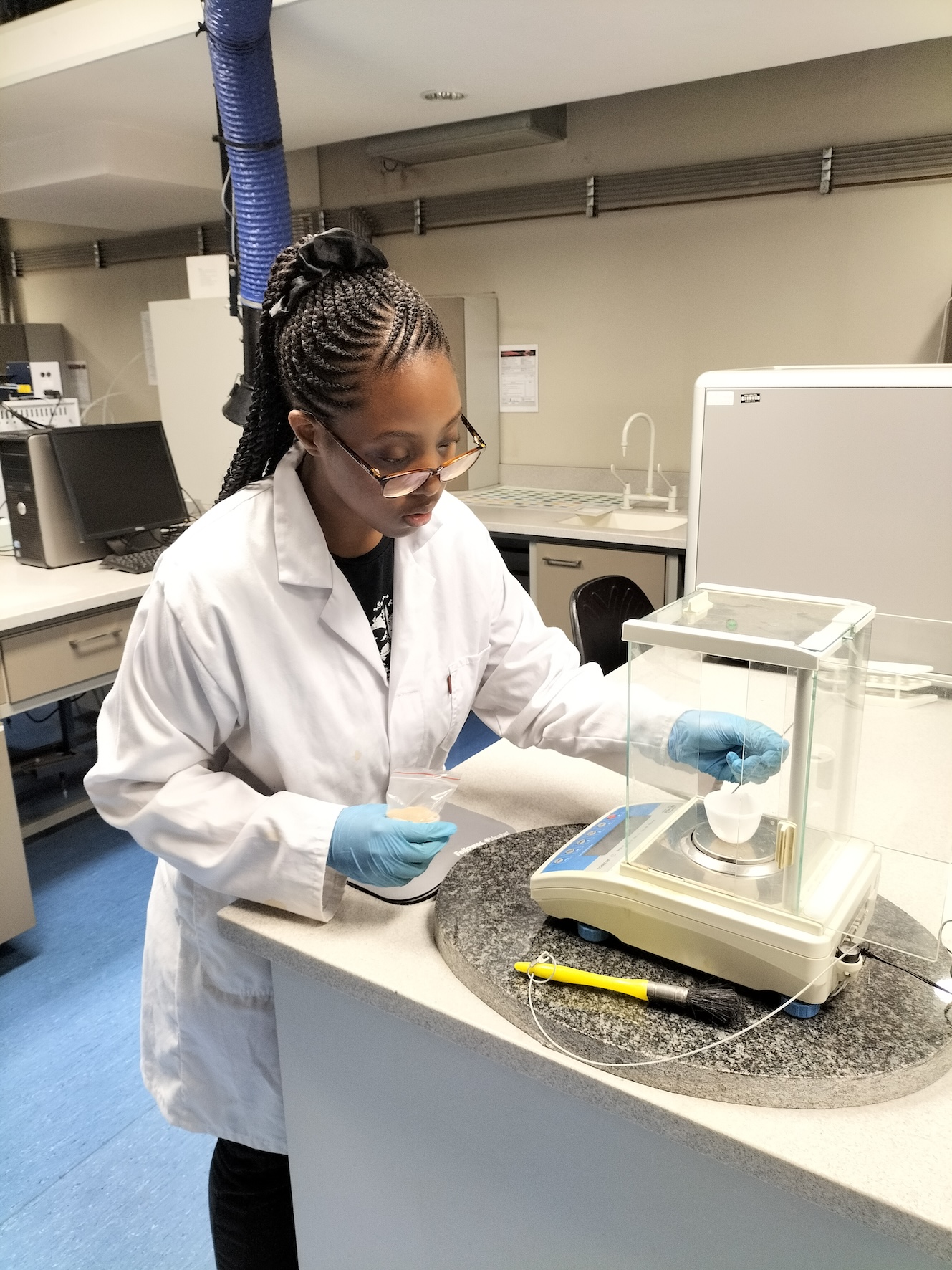
At the University of Pretoria, Lerato Tau is using thermogravimetric analysis to better understand how paper materials respond to heat. By tracking how materials lose weight as temperatures rise, her research provides insight into their composition and thermal stability. This faster and safer method can deliver results in hours rather than days, with practical benefits for papermaking operations. Tau is expected to graduate this year.
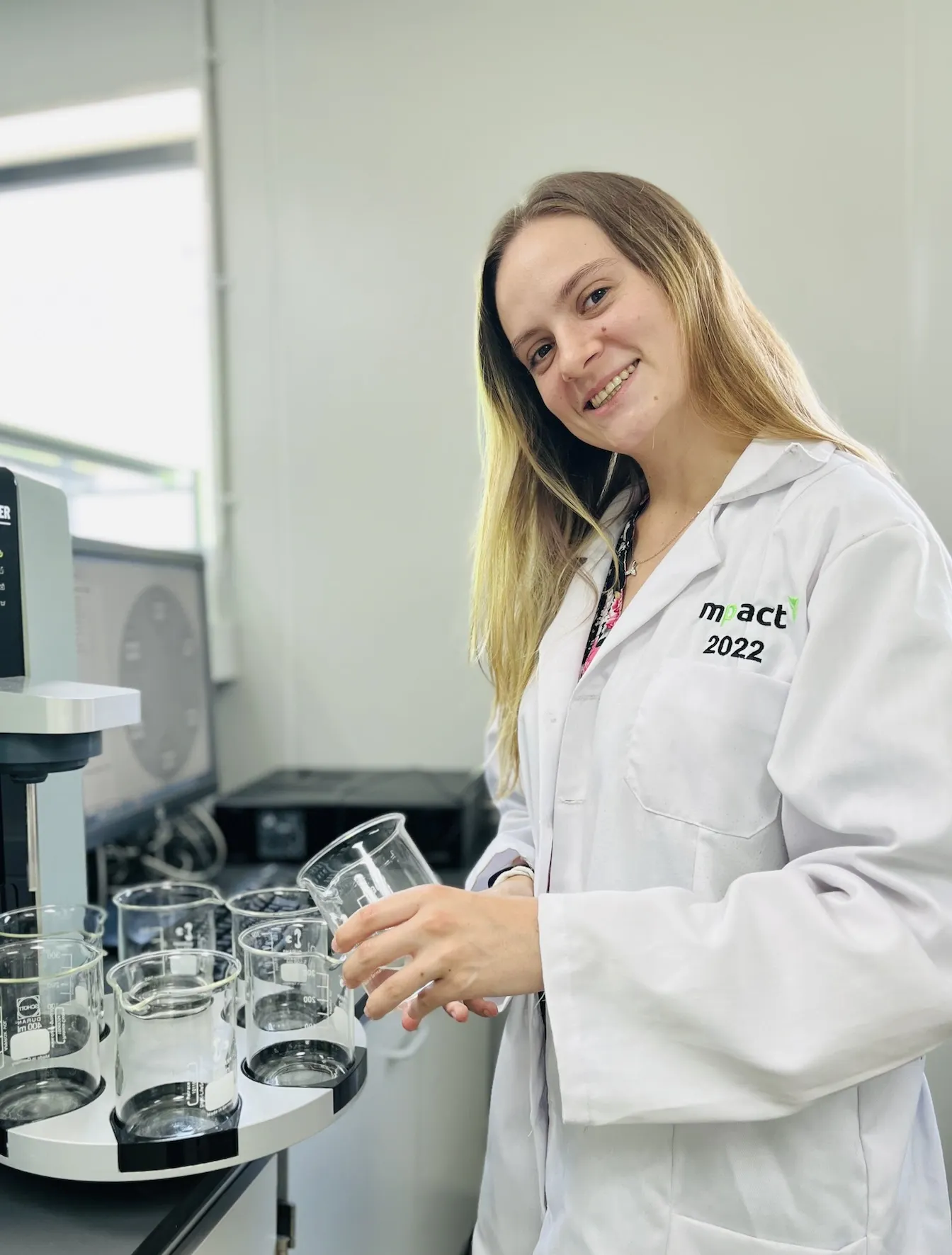
Kelly Campbell, a chemical engineering graduate completing her MEng at Stellenbosch University, is exploring how food waste can be converted into ethanol through fermentation. Her research aims to divert organic waste from landfill while producing a high-value product with applications in the chemical and transport sectors.
The programme has also helped graduates move into industry roles where they continue to contribute to innovation and operational improvement.
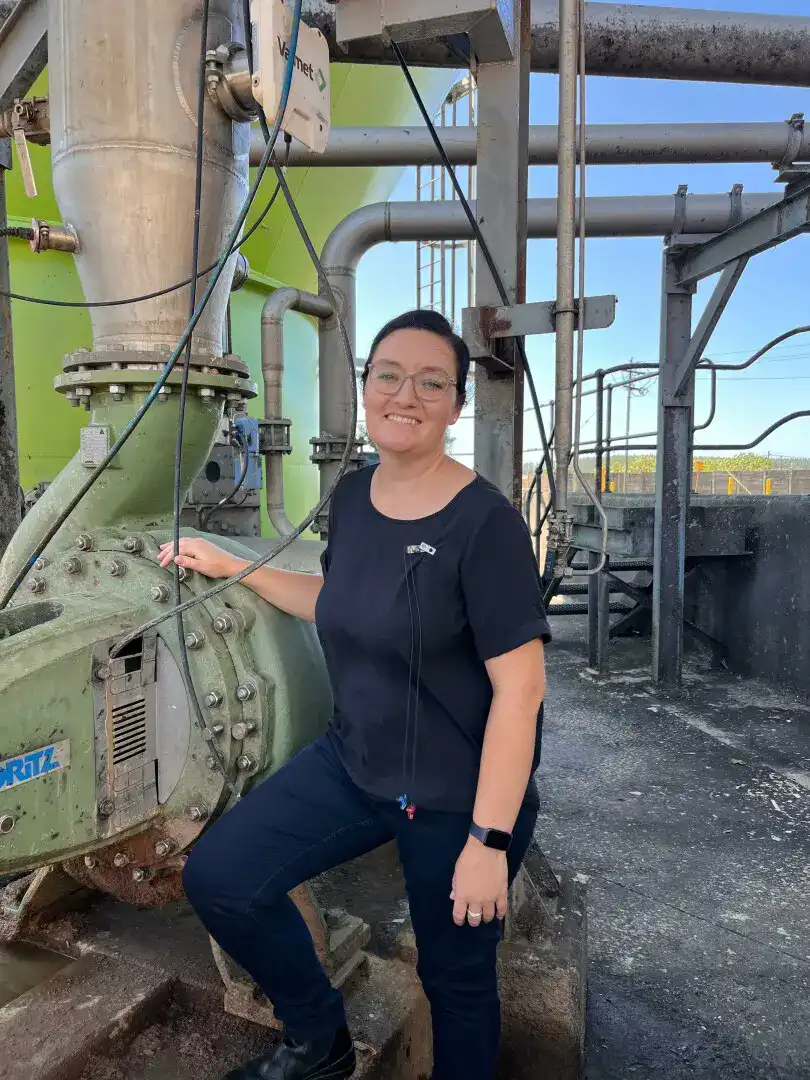
Sonja Boshoff, a process engineer and Stellenbosch University alumna, played a key role in early research that led to a bioethanol production project using paper sludge. She is now part of the process team at Mpact’s Felixton mill, where she continues to advance waste-to-energy solutions that support a more sustainable and innovative paper industry.
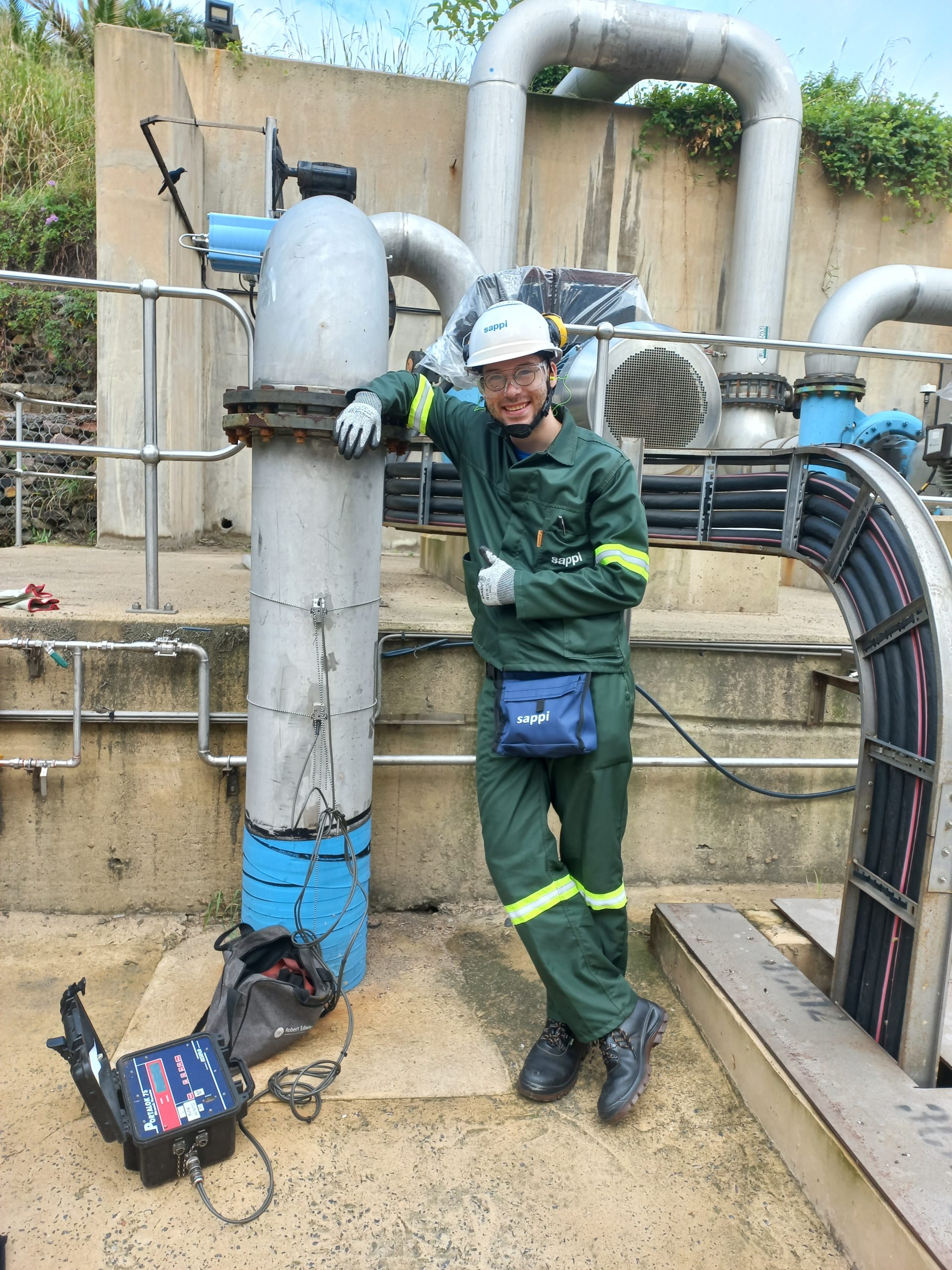
Chris du Toit, a chemical engineer in training at Sappi’s Saiccor mill on the KwaZulu-Natal south coast, works on process improvement, proactive trend monitoring and root cause investigations. His role involves identifying optimisation opportunities, resolving operational challenges and contributing to more efficient systems through theoretical analysis, simulations, sampling, experiments and hands-on involvement in equipment installation and maintenance.
Molony says these examples show how postgraduate research can translate into meaningful careers and practical solutions for industry.
“Many graduates from the programme go on to become engineers-in-training at PAMSA member companies, where they gain valuable experience while contributing to the production of everyday essentials such as packaging, tissue, printing paper and wood fibre-based materials,” she says.
The bursary provides for tuition fees, accommodation, study materials and living expenses. Applicants must be final-year students or recent graduates with a BSc or BEng in Chemical Engineering. They must have achieved a minimum 60% average in their final year and must have completed, or be on track to complete, their studies within five years.
Candidates should also be committed to pursuing full-time Master’s study and motivated to conduct research that supports industry needs and advances the circular bioeconomy.
Applications close on 12 June 2026. More details are available here.