PAMSA invests in future engineers to drive South Africa’s circular bioeconomy
R320,000 Master’s bursary programme targets final-year chemical engineering students to boost skills and industry innovation
The Paper Manufacturers Association of South Africa (PAMSA) is investing in the next generation of chemical engineers through its 2027–2028 Master’s in Engineering Bursary Programme, aimed at strengthening South Africa’s skills pipeline and advancing innovation in the circular bioeconomy.
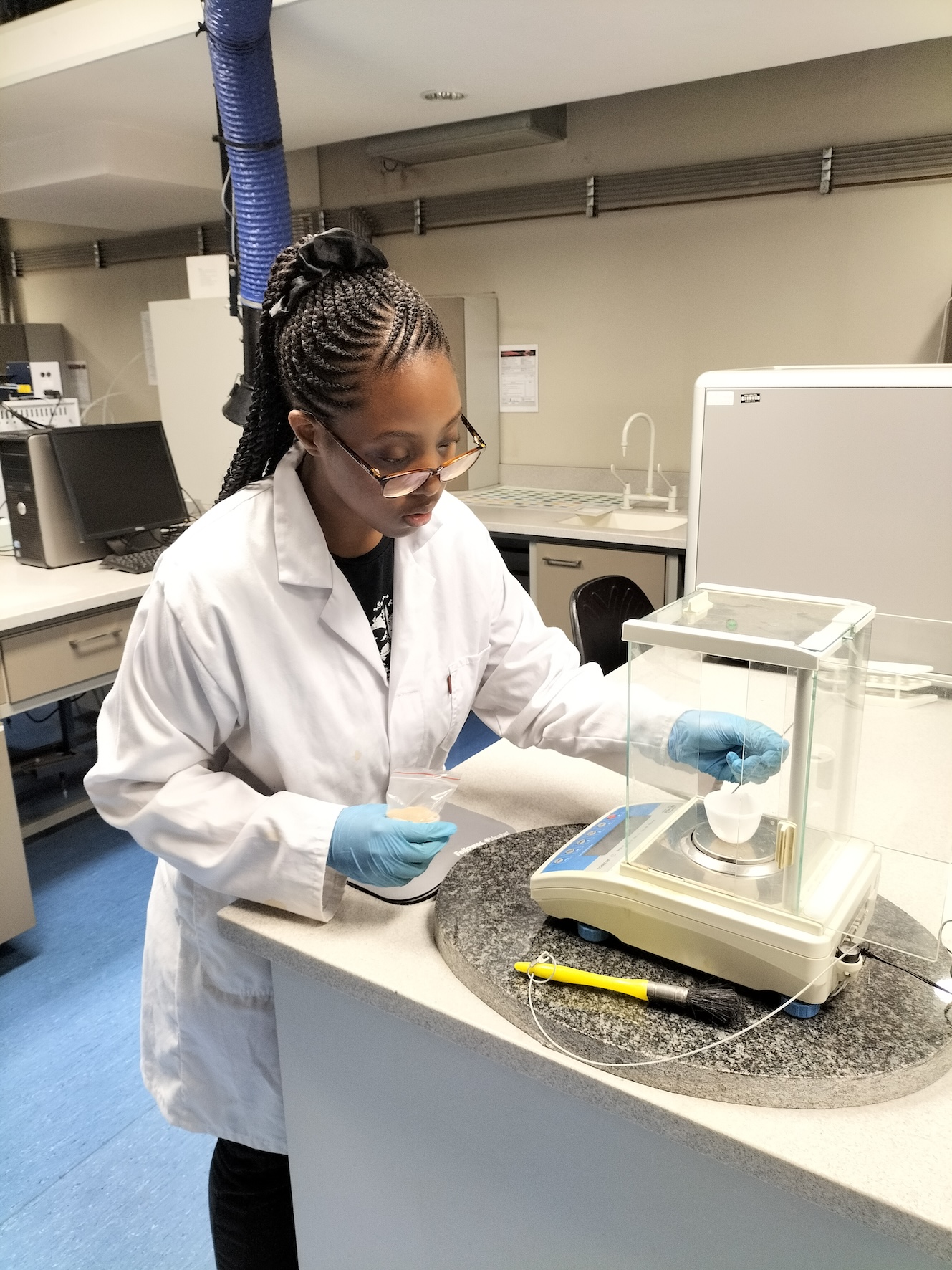
This initiative has been equipping young chemical engineering students for more than a decade with their industry-relevant research helping the South African pulp and paper sector to further contribute to the circular bioeconomy and develop more resource-efficient processes.
“Students on this programme work at the forefront of innovation in an industry that transforms renewable wood fibre and recycled materials into everyday essentials such as printing paper, packaging, tissue and wood fibre-based materials,” says Jane Molony, executive director of PAMSA.
Funding the next generation of engineers
Open to final-year students studying a BSc or BEng in Chemical Engineering, the programme offers a two-year bursary valued at R320,000, covering tuition, accommodation, study materials and living expenses. Successful candidates would undertake full-time Master’s study at leading South African institutions, including North-West University, Stellenbosch University, the University of Pretoria and the University of the Witwatersrand.
“Over the course of two years, students will engage in research projects that align closely with industry priorities, covering areas such as process optimisation, energy and water efficiency, waste-to-value innovation, and the development of bio-based materials and fuels,” explains Molony.
She adds that many of the programme’s graduates go on to become engineers-in-training at PAMSA’s member companies, gaining valuable practical experience and career opportunities.
Who should apply
The programme is only open to final-year students and recent graduates with a BSc or BEng in Chemical Engineering.
The students are required to demonstrate strong academic performance, with a minimum 60% average in their final year, and must have completed, or be on track to complete, their studies within five years. In addition, candidates should be committed to pursuing full-time Master’s study and be motivated to contribute to research that supports industry needs and advances the circular bioeconomy.
Applications close on 12 June 2026. Apply here.
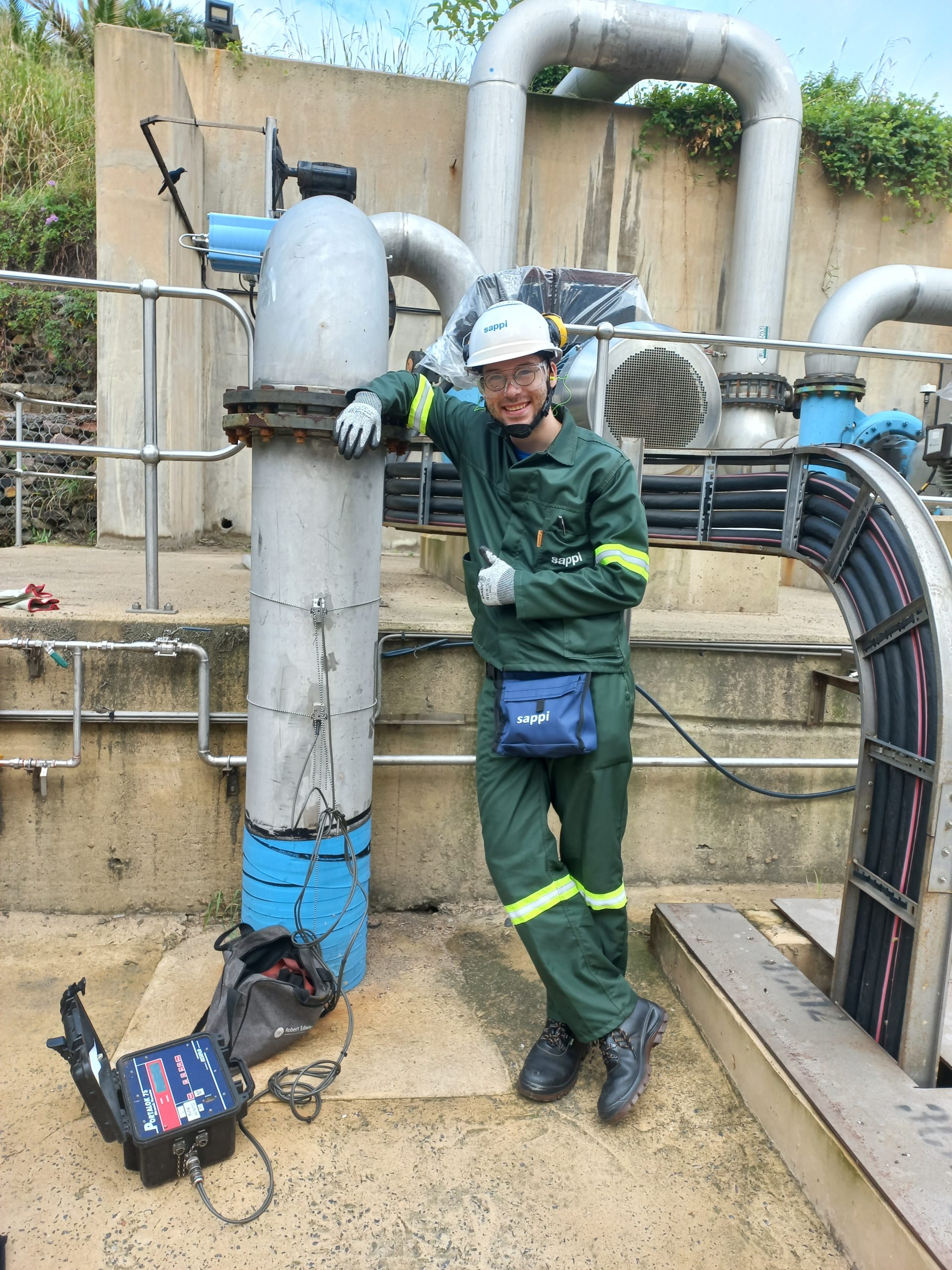
Chris du Toit
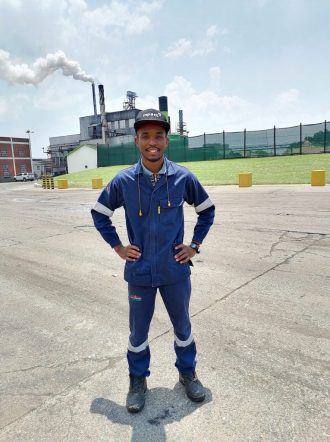
Qiniso Ngiba
Lerato Tau