Paper Recycling
Paper recycling is the collection and processing of used paper products to make new paper products and involves a number of steps before it even gets to the paper mill.
Paper Industry
PAMSA supports the South African pulp and paper industry in pre-competitive and common areas of environmental issues, education and training, and research and development.
Paper Explained
Paper has a fascinating history. Developed centuries ago, it has been through the mill – literally and figuratively – in terms of what it’s made from and how it is made.
About PAMSA
The Paper Manufacturers Association of South Africa (PAMSA) lives and breathes all things paper. As an industry association, it looks after the pre-competitive legislative, education, environment, research and recycling interests of the pulp, paper, board and tissue sector in South Africa.
Frequently Asked Questions
Find answers to our list of frequently asked questions (FAQs).

Latest News
Find the latest trends, topics, and news surrounding paper, paper recycling, and the paper industry.
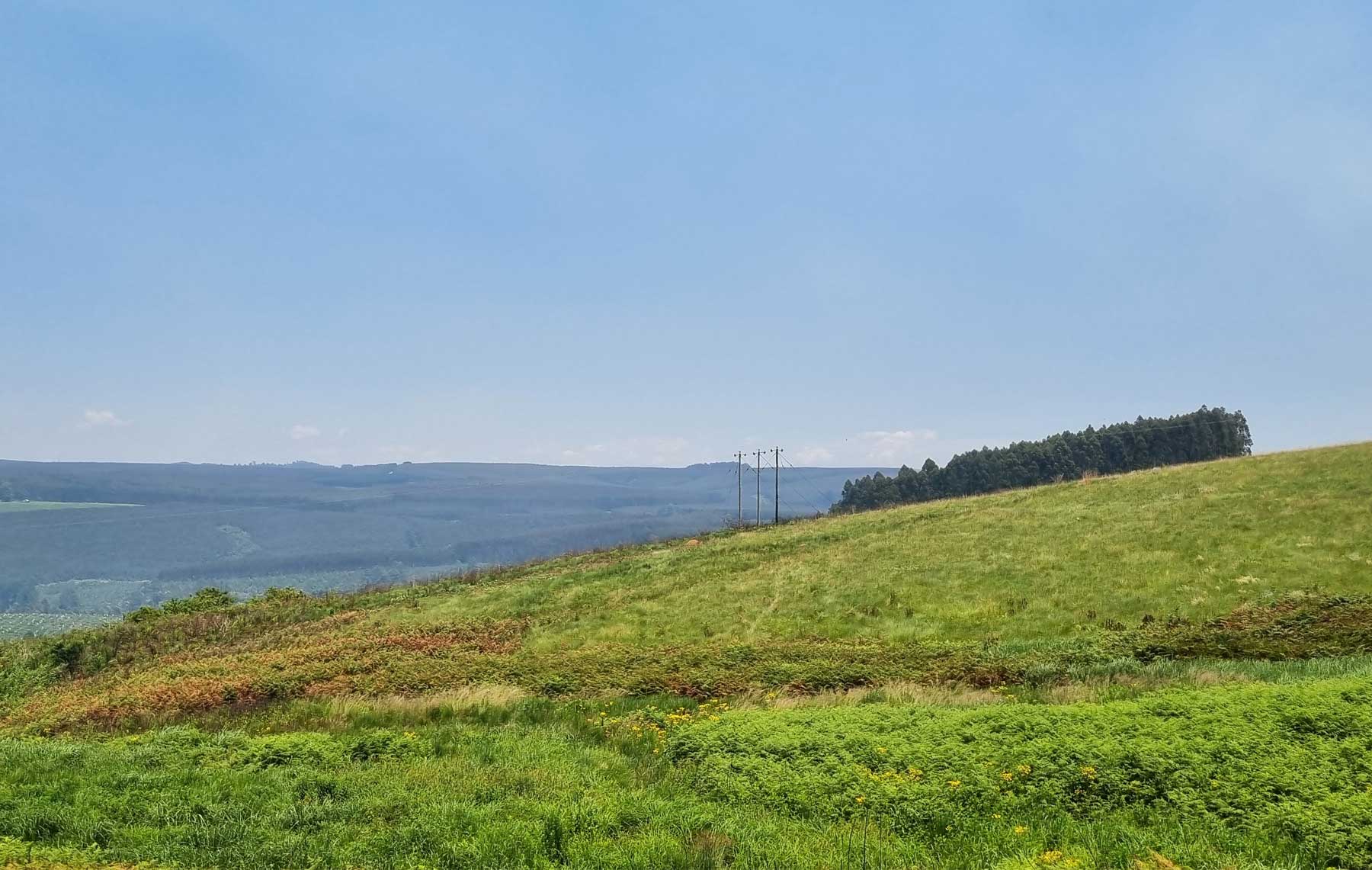
Sappi establishes new nature reserve to protect endangered Karkloof Blue Butterfly
New KwaZulu-Natal nature reserve safeguards one of the last known breeding grounds of the endangered Karkloof Blue Butterfly. Deep in the Karkloof Valley north of Howick, a tiny butterfly with iridescent blue wings is running out of safe places to call home.
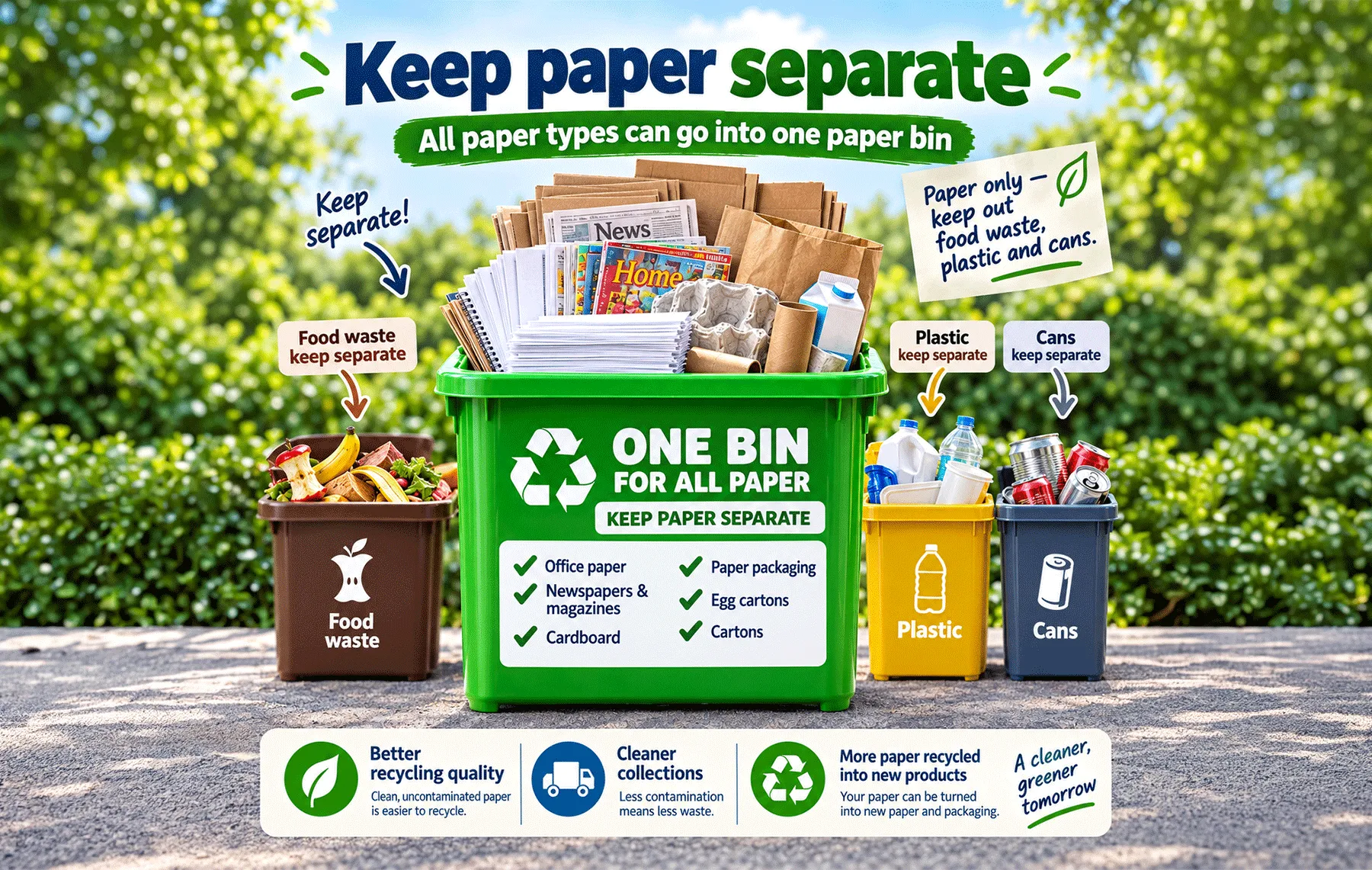
The single most important rule in paper recycling
If you’re one of the people helping South Africa keep 1.2 million tonnes of paper and paper packaging out of landfill, make sure you are doing this one thing – keep it dry and separate from wet waste.
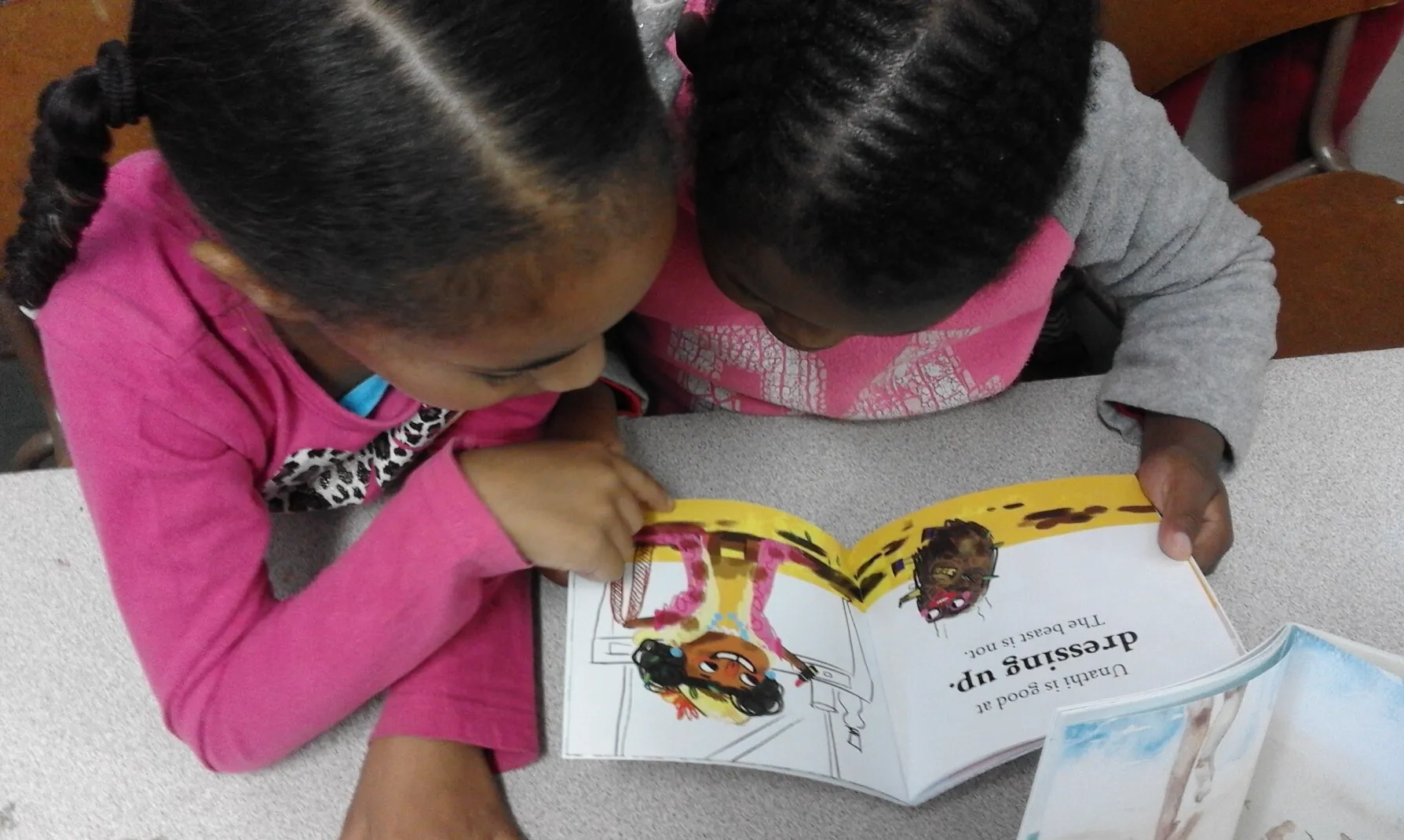
Why paper books still matter this International Literacy Day
This International Literacy Day, 8 September, the case for the printed book is stronger than ever – from a leisure reader seeking escape to the child discovering that the joy of reading. Literacy is also a fundamental human right, and books lay an unequivocal foundation for better learning.International Literacy Day, which turns 60 in this […]
Contact Us
Contact PAMSA now by completing the enquiry form below.