Rooted in partnership: the forest products value chain’s case for a more connected SADC
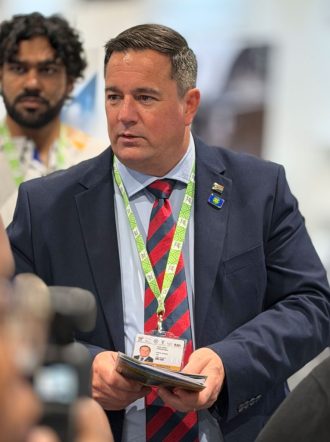
At the end of July, the SADC Business Council, the Department of Trade, Industry and Competition (the dtic) and BUSA hosted the 9th SADC Industrialisation Week, drawing representatives from SADC governments, business and civil society to Durban to advance collective industrialisation and investment.
The region’s wealth of natural resources, from timber to minerals, and the potential to unlock greater value was the golden thread of the week. Too many resources are still exported in raw form, only to return as higher-value finished goods. Combined with fragmented infrastructure and non-tariff barriers, this limits the region’s ability to capture value, grow intra-African trade and strengthen its contribution to the global economy.
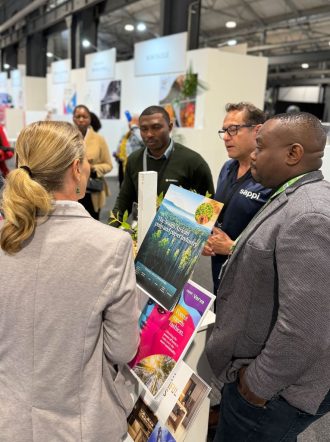
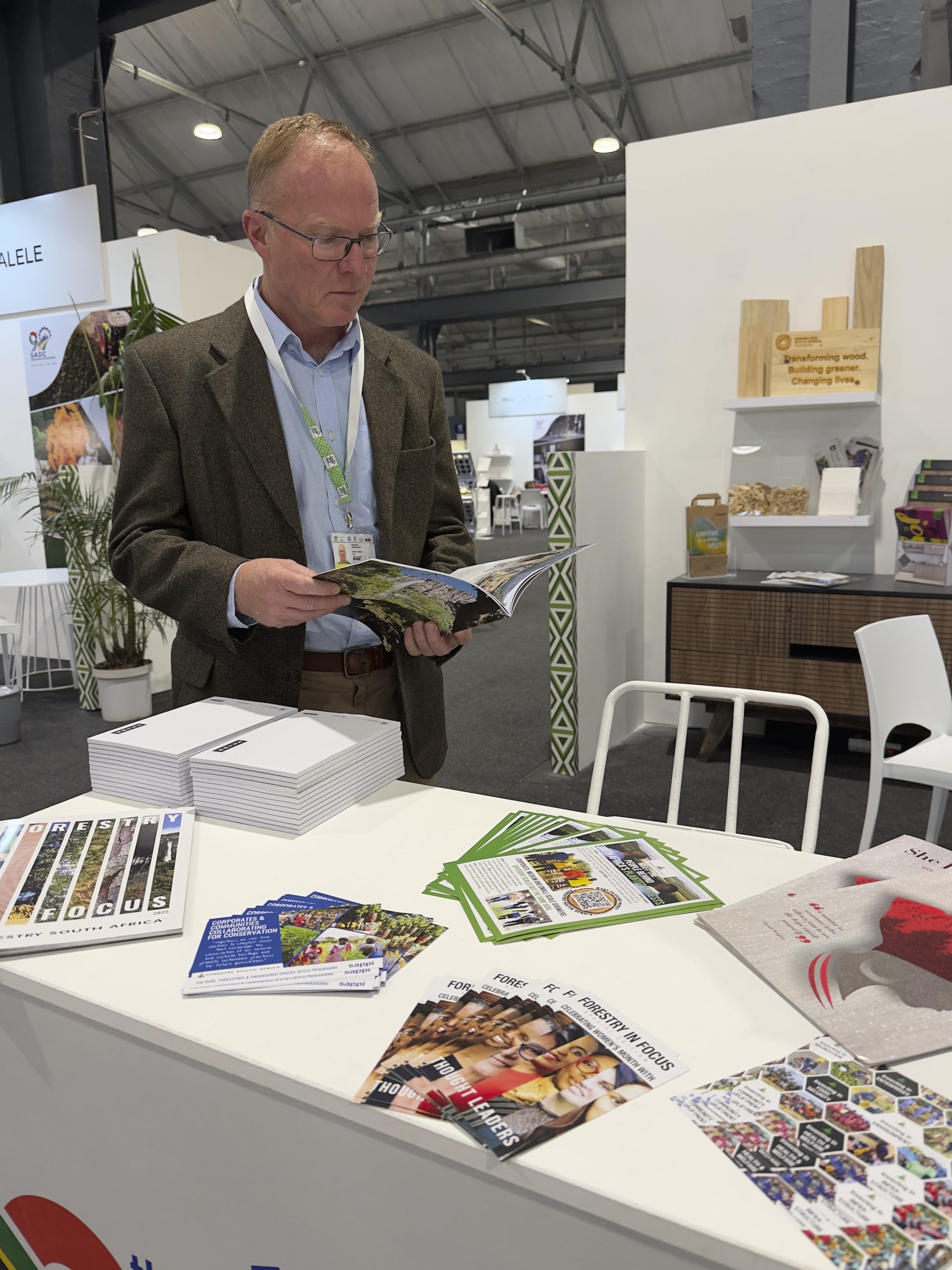
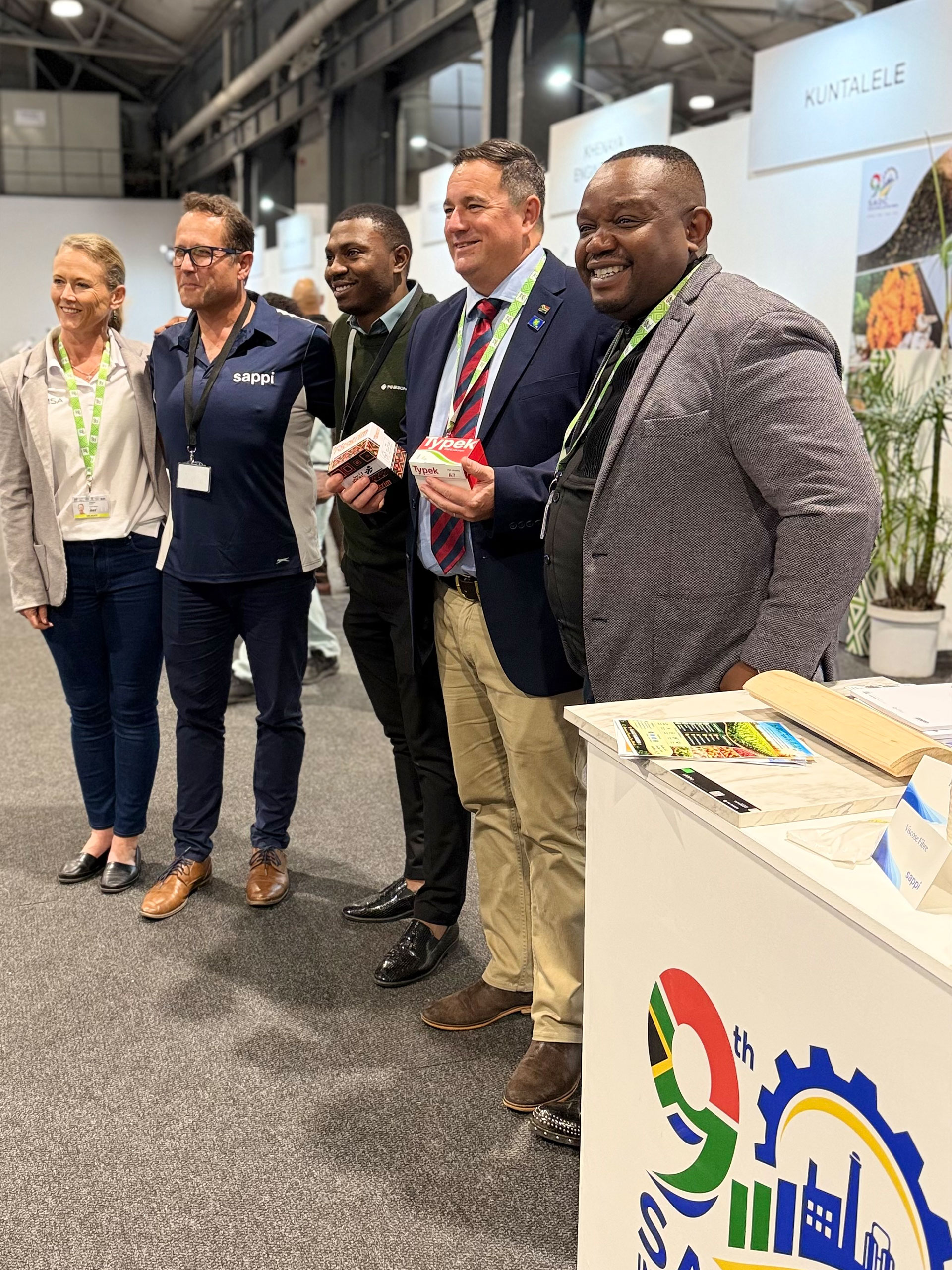
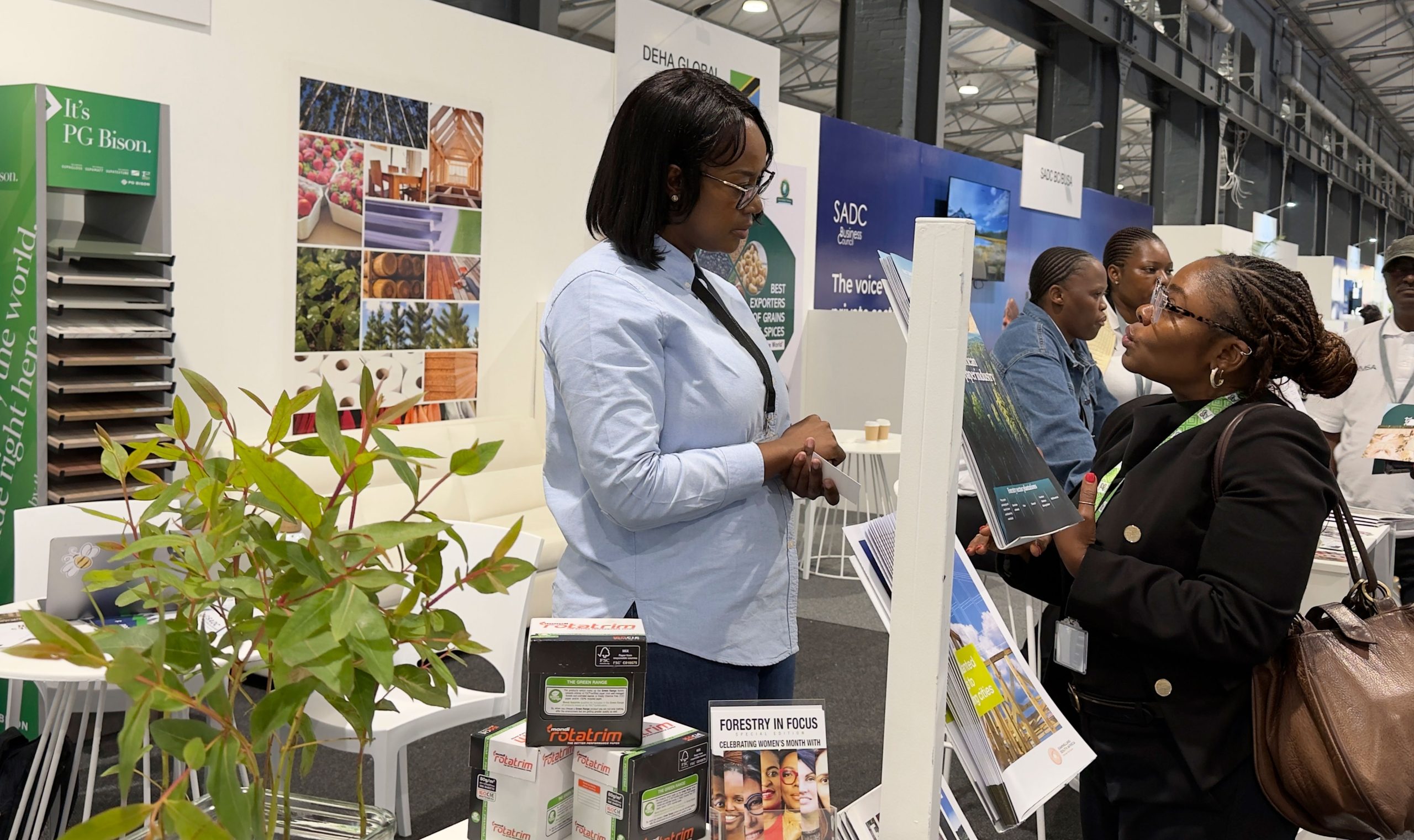
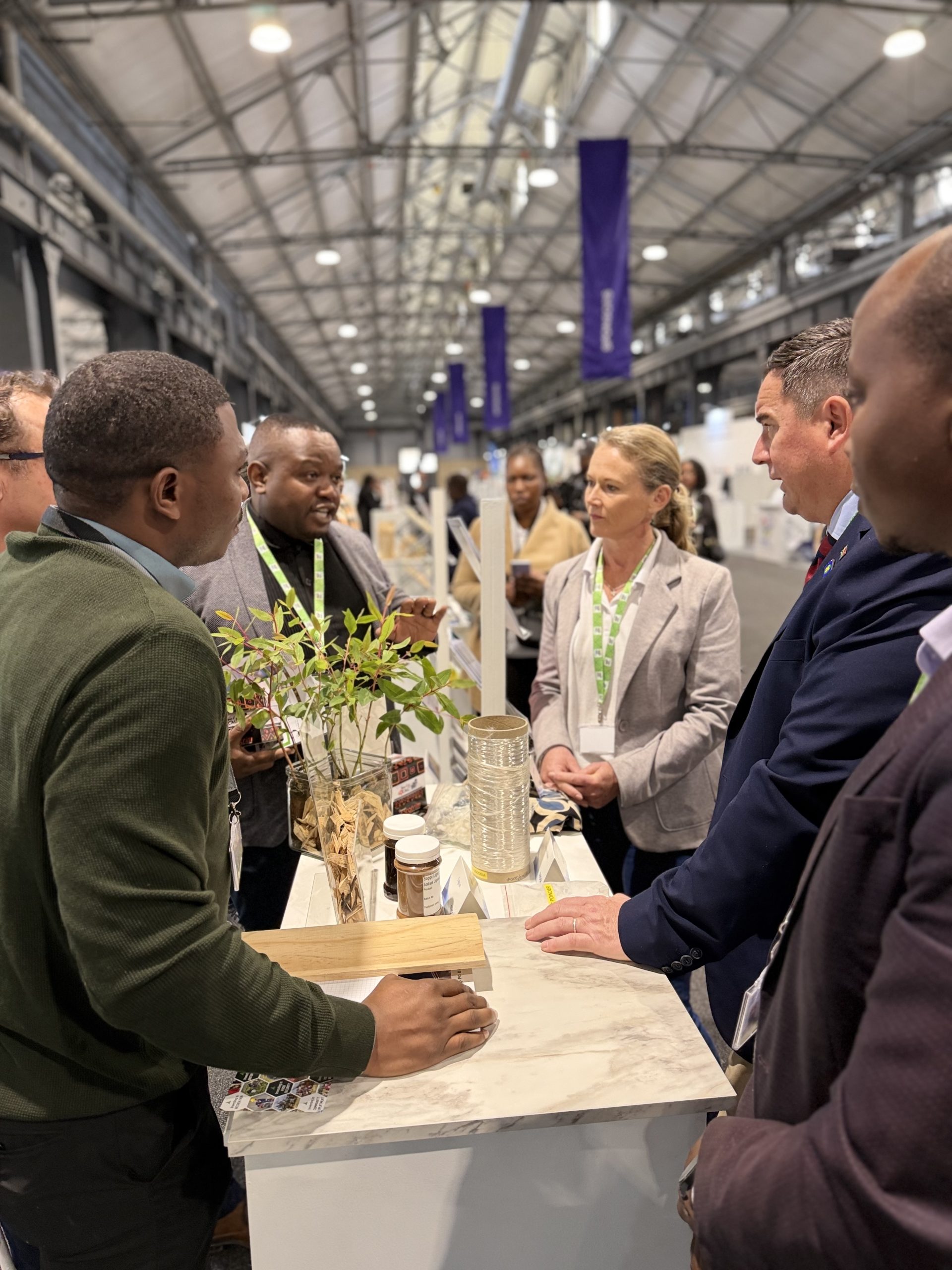
The South African forestry and forest products value chain made sure its presence was felt, both at a shared exhibition stand and in the agro-processing breakaway session on Day 2.
The Paper and Allied Manufacturers of South Africa (PAMSA), Sawmilling South Africa, Forestry South Africa (FSA), the South African Furniture Initiative (SAFI) and PG Bison not only showcased the range of products made from sustainably grown trees, they also made the case for closer regional ties among SADC sector counterparts in the breakaway session.
Moderated by the dtic’s Ncumisa Mcata-Mhlauli, Chief Director of Agro-processing and Forestry-Based Industries, it tackled an uncomfortable fact: intra-SADC trade in forest products remains constrained and has, in fact, declined in recent years. The topic of cheap imports of a range of forest products also adds pressure to the market.
The discussion drew on the insights of Penwell Lunga, Chairman of SAFI; Abraham Makano of Metro Consult in Zambia; FSA’s Francois Oberholzer; Steven Ngubane of the Industrial Development Corporation; Brian Aitkin of Mozambique Tree Farming; and Prof. Reuben Mwamakimbullah of the Tanzania Forest Service.
Between them, the panellists ranged across the SADC Forestry Strategy 2020–2030, country experiences from Zambia to Mozambique and Tanzania, the investment climate and support for foreign direct investment, and the tariff, non-tariff, logistical and phytosanitary barriers that still hold back intra-regional trade.
Lunga set out both the challenges and opportunities created by the region’s complementary strengths. Countries such as Angola, Mozambique and Tanzania hold significant forest resources, he noted, while South Africa has more established processing and manufacturing capacity despite its smaller forestry footprint. “This diversity creates an opportunity for greater regional integration, with countries able to build on their respective strengths to grow a more competitive value chain across SADC.”

For Oberholzer, part of the challenge is perception: many people don’t realise that commercial forestry – and the processing of wood into pulp and paper, sawn timber, furniture and boards — is itself a form of agro-processing. He pointed to South Africa’s record on sustainability, with close to 95% of its plantations holding global certification, as a foundation the wider region could build on.
Drawing on Zambia’s experience, Makano framed forest-based enterprises as building blocks for industrialisation across the region. “Our ambitions will take commitment and coordinated effort across governments, the private sector and labour to implement sector strategies, drive industrialisation and support economic growth. “No single stakeholder can achieve these ambitions alone,” he said.
Fortunately, the sector has a long-standing partnership with government departments such as the dtic and has consistently called for harmonised customs procedures, improved logistics and border processes, and greater investment in skills, technology and regional processing capacity.
Mwamakimbullah pointed to a more immediate pressure – competition from low-cost imports. “Working together, and advocating with one voice, will help us tackle shared barriers, including the influx of undervalued imports that undercuts local producers,” he said. Echoing Makano, he said that no single company or country can hold up a value chain on its own, so safeguarding the region’s industrial base calls for collective action.
“Beneficiation and value addition on African soil is crucial if we are to improve competitiveness, grow businesses and boost employment both locally and among our SADC neighbours,” notes Jane Molony, executive director of PAMSA and co-moderator of the session. “Our sector produces countless essential goods and employs a significant number of people, especially in rural and peri-urban communities.”
The message was clear: the region must move beyond exporting raw logs and focus on local and regional manufacturing. “Every raw log we export is an opportunity to create value and jobs that leaves our shores,” says Greg Boulle, CEO of SAFI. “Furniture manufacturing is labour-intensive, which makes it a powerful engine for job creation. By turning more of Africa’s timber into finished products locally, we can create jobs, build skills, grow local businesses and keep more of the value of our natural resources within the region.”