The single most important rule in paper recycling
SEPTEMBER 15, 2026 – If you’re one of the people helping South Africa keep 1.2 million tonnes of paper and paper packaging out of landfill, make sure you are doing this one thing – keep it dry and separate from wet waste.
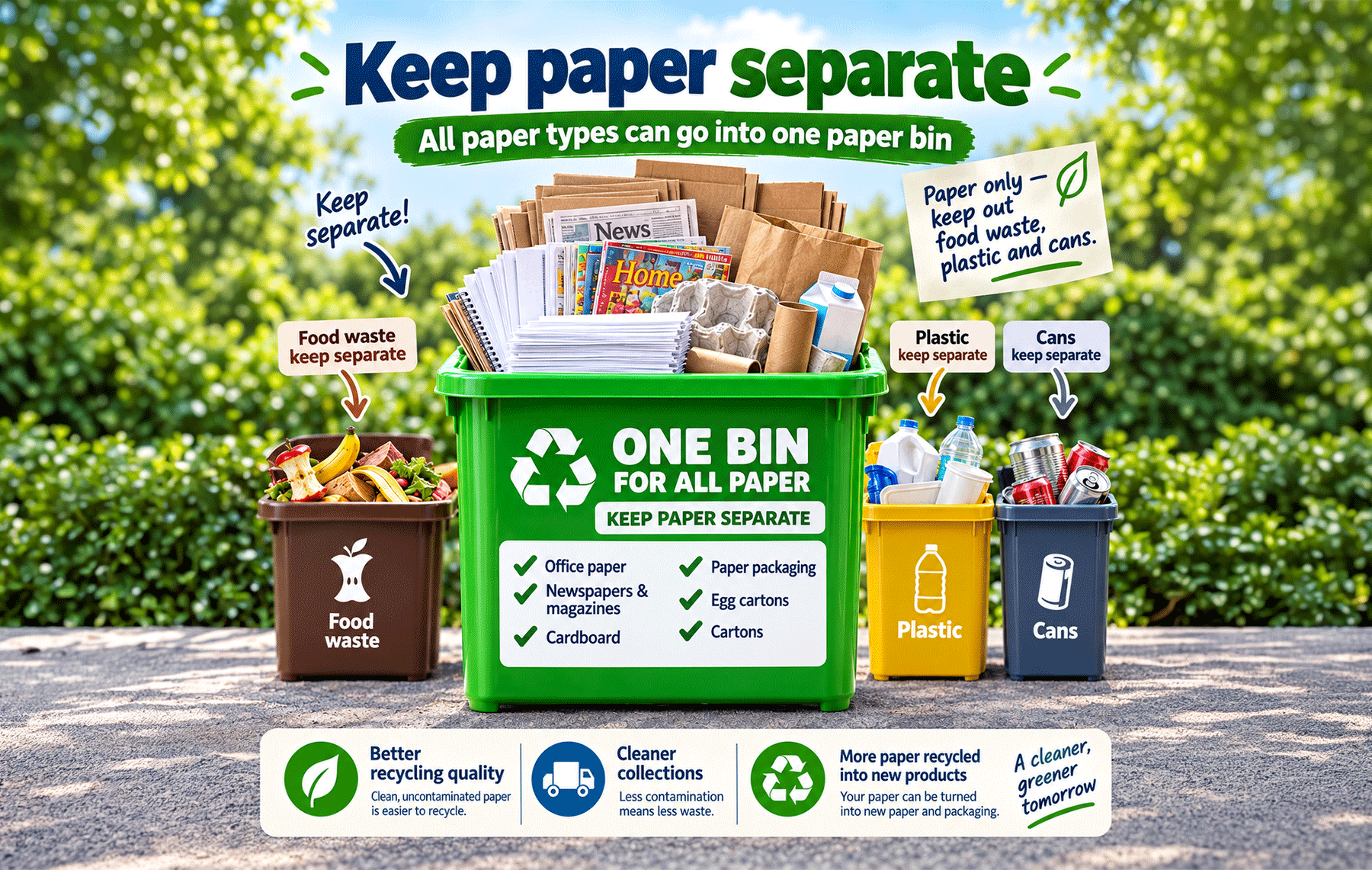
“Paper recycling – whether at home, work or school – can only be successful if it is actively separated from wet waste after use,” says Samantha Choles, communications manager for the Paper and Allied Manufacturers of South Africa (PAMSA).
“Paper is absorbent, and its fibres start to break down when exposed to moisture, oils or food waste. This makes it less suitable for the paper recycling process,” she explains.
As South Africa marks National Recycling Day on 18 September, PAMSA reports that the country’s recycling rate stands at 63% of the available volumes of recyclable paper. While this is slightly above the global average, this leaves room for improvement.
Although informal collectors also contribute significantly to South Africa’s paper recycling success story, they often have to retrieve recyclable items from domestic rubbish bins. “This means that the paper products are contaminated by food waste and liquids, resulting in less income for a collector at a buy-back centre,” explains Choles.
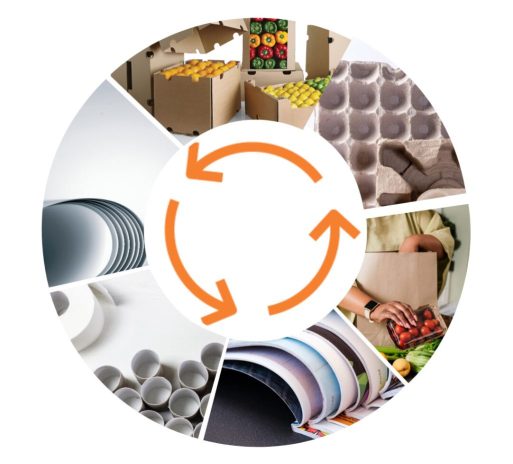
There are several reasons why recycling is important, not least the need to divert recyclable paper and packaging from landfills for use as a raw material in the production of tissue and packaging such as cardboard boxes, paper bags, takeaway coffee cup holders and egg boxes.
Recyclable paper includes office paper, cardboard boxes in countless forms as well as other packaging products such as grocery bags, newspaper, magazines and even the quintessential tube from an empty toilet paper roll.
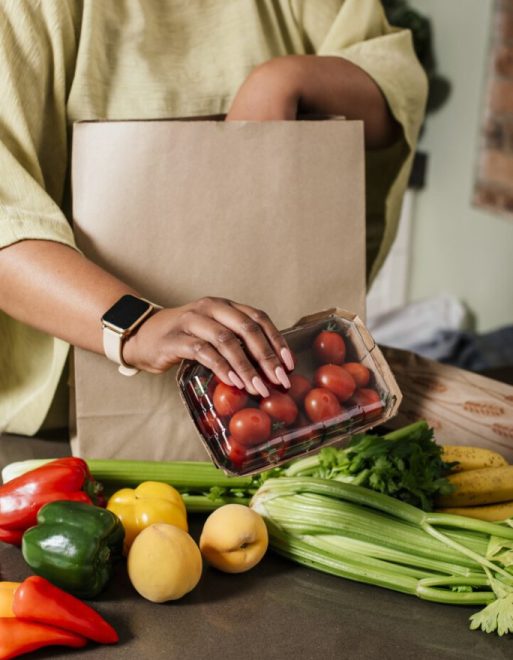
PAMSA offers some advice to up your recycling game:
- Know which paper products can and cannot be recycled.
- Recyclable: paper packaging; liquid board packaging (milk and juice cartons, paper cups); newspaper, brochures and magazines; office paper, telephone directories, paper giftwrap, damaged books that are not suitable for donation.
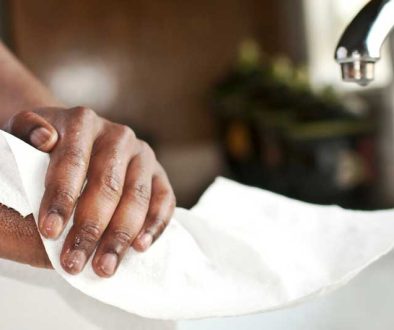
- Not recyclable: wet or dirty cardboard (e.g. paper plates), tissues and paper towels, nappies, sticky notes, wax- or foil-lined boxes, cement bags, dog food bags, laminated paper.
- Make sure these items are not put into general waste by educating family, friends and colleagues.
- Use a large waterproof bag or container when you empty these bins.
- Keep plastic, glass and can recycling separate from your paper, as these items may still contain liquids.
- Put your recycling collection out on your pavement, or where it is easy for a collector to access.
- Place multiple bins around the house, your workplace or a school where you are most likely to throw paper away: in kitchens, bathrooms (for toothpaste boxes and toilet roll cores), at your desk and in the classroom.
By adopting a few simple habits, we can all help make a big difference to South Africa’s recycling culture.