
News
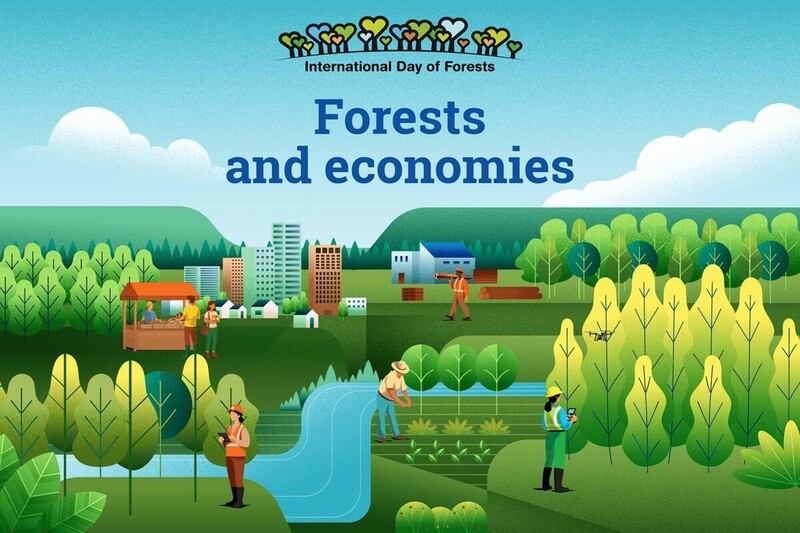
More than trees: how South Africa’s forestry sector grows the economy
South Africa’s forestry sector contributes an estimated R8 billion to the country’s GDP, while supporting more than 150 000 jobs and livelihoods – many of them in rural areas where economic opportunities are limited. Beyond its direct contribution, the sector supports a further R58 billion in value-added activity across downstream industries, including sawmilling, pulp and paper, packaging and construction.
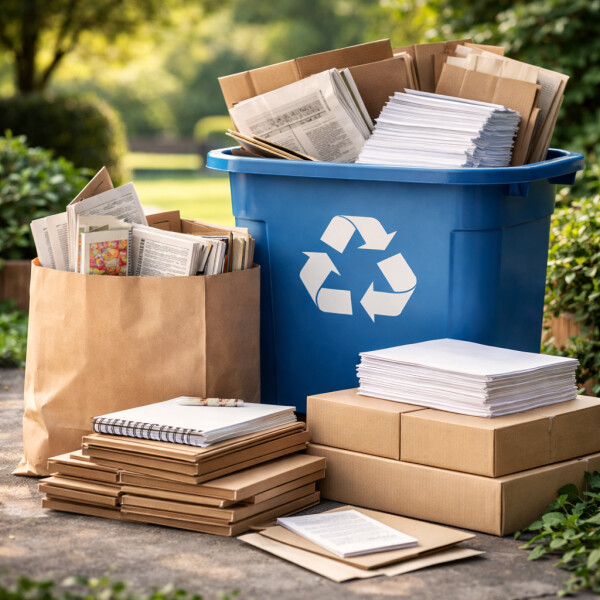
South Africa’s paper recycling rate climbs to 63.3%
Through paper mills and a nationwide network of collectors – including small recycling businesses and informal waste pickers – around 1.2 million tonnes of paper and paper packaging are diverted from landfill each year and returned to the recycling loop, where they are used again to produce new paper products such as packaging and tissue.
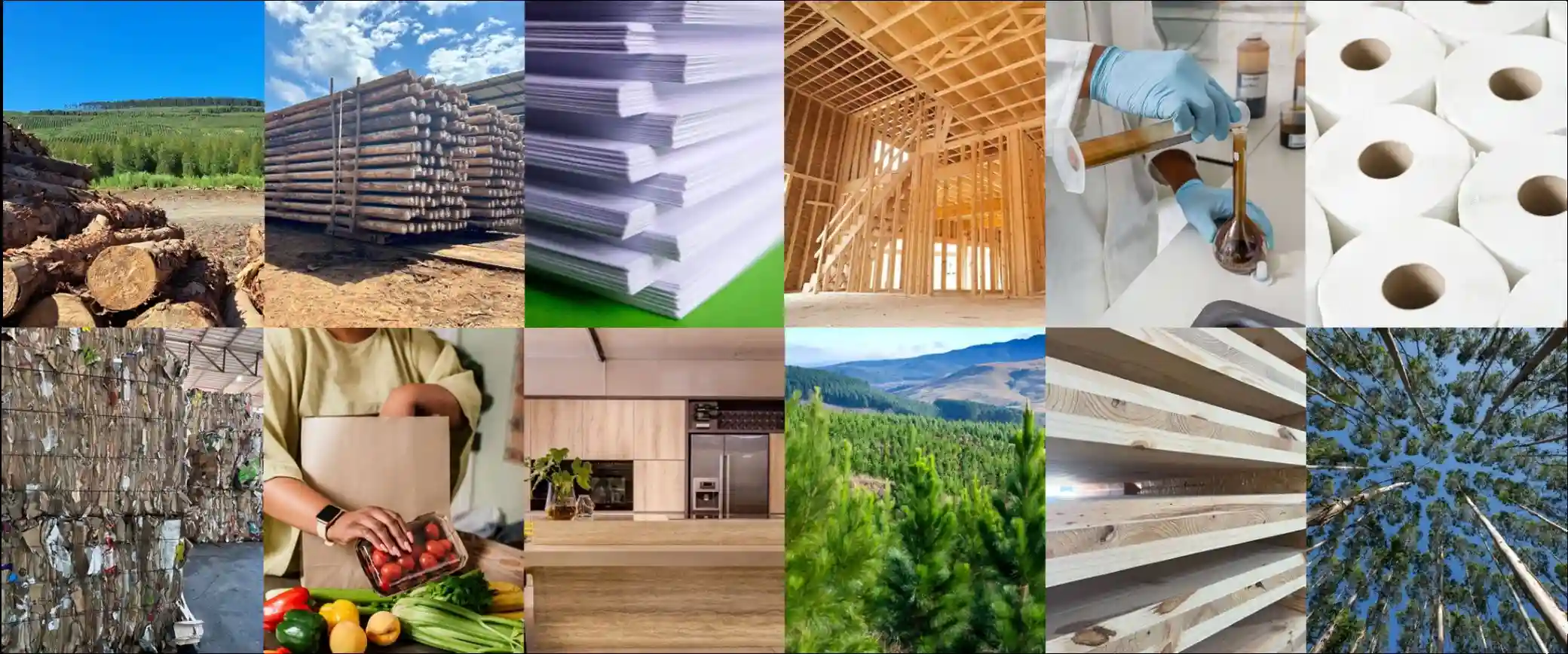
Driving the Forest-Based Bioeconomy: A Call to Action from the Private Forest-based Sector
Forest-based value chains represent the most advanced and scalable foundation of the global bioeconomy. Through sustainably managed forests and efficient, circular use of biomass, the sector delivers renewable materials, carbon storage & material substitution, biodiversity co-benefits, and quality employment, particularly in rural areas.

Meet six young women who are turning science into sustainability solutions
South Africa’s pulp and paper sector has been opening doors for a growing cohort of young women who apply science and engineering to making the circular bioeconomy a reality.

Give Mother Nature the perfect gift – the resolution to recycle more
KeDezemba in Mzansi is not only a season of summer vibes, family time and opening presents – it’s also the perfect moment to clear out our homes and offices, giving paper and cardboard a second life instead of banishing them to landfill.
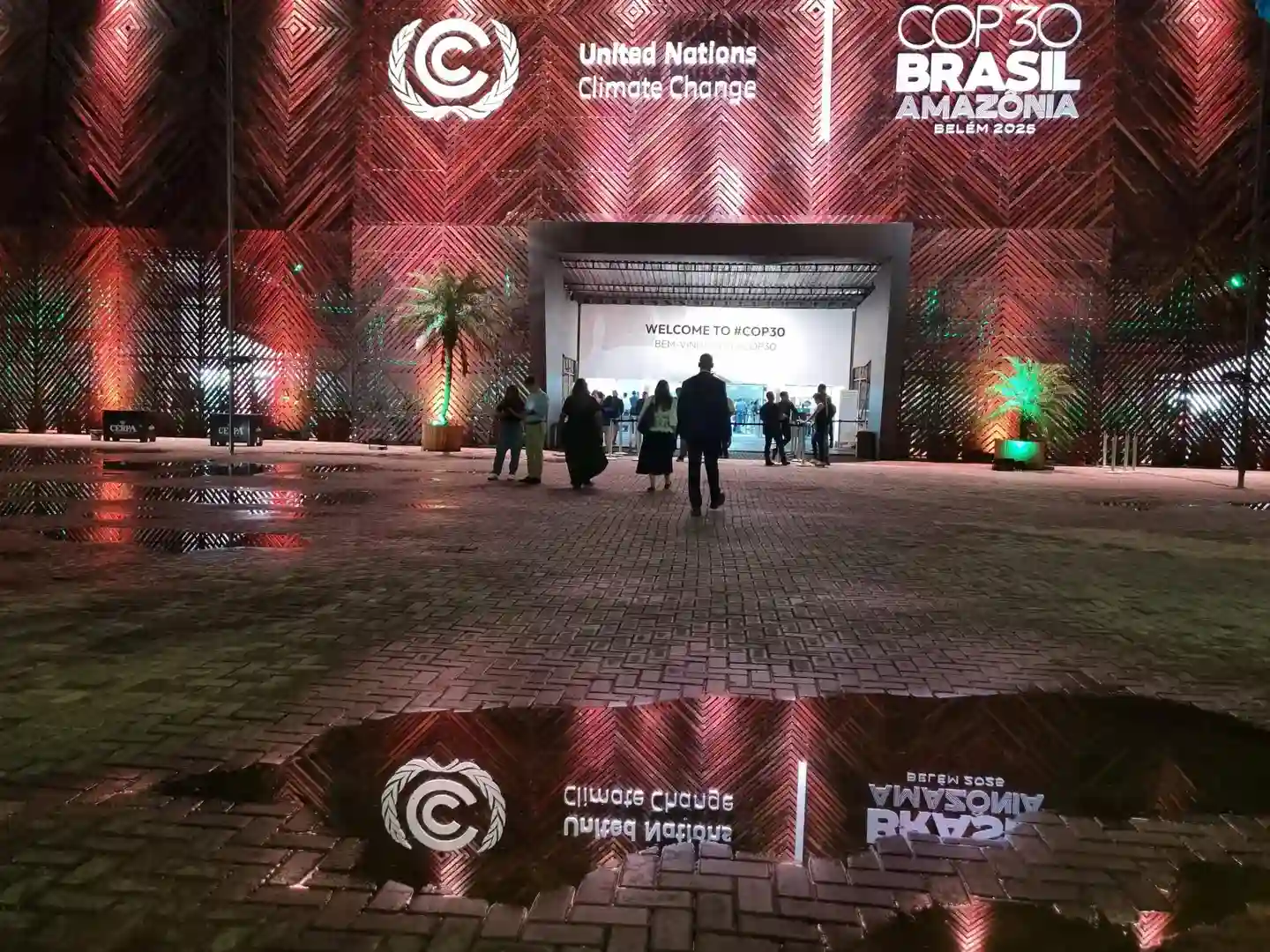
Forests, Communities & the Circular Economy: Insights from COP30 of climate change
COP30 in Belém saw the first-ever theme days on the bioeconomy. As such, there were an impressive number of sessions and side events that focused on how the forestry sector is championing the circular bioeconomy and calling for a nature-positive economic model that will support a climate-resilient future.
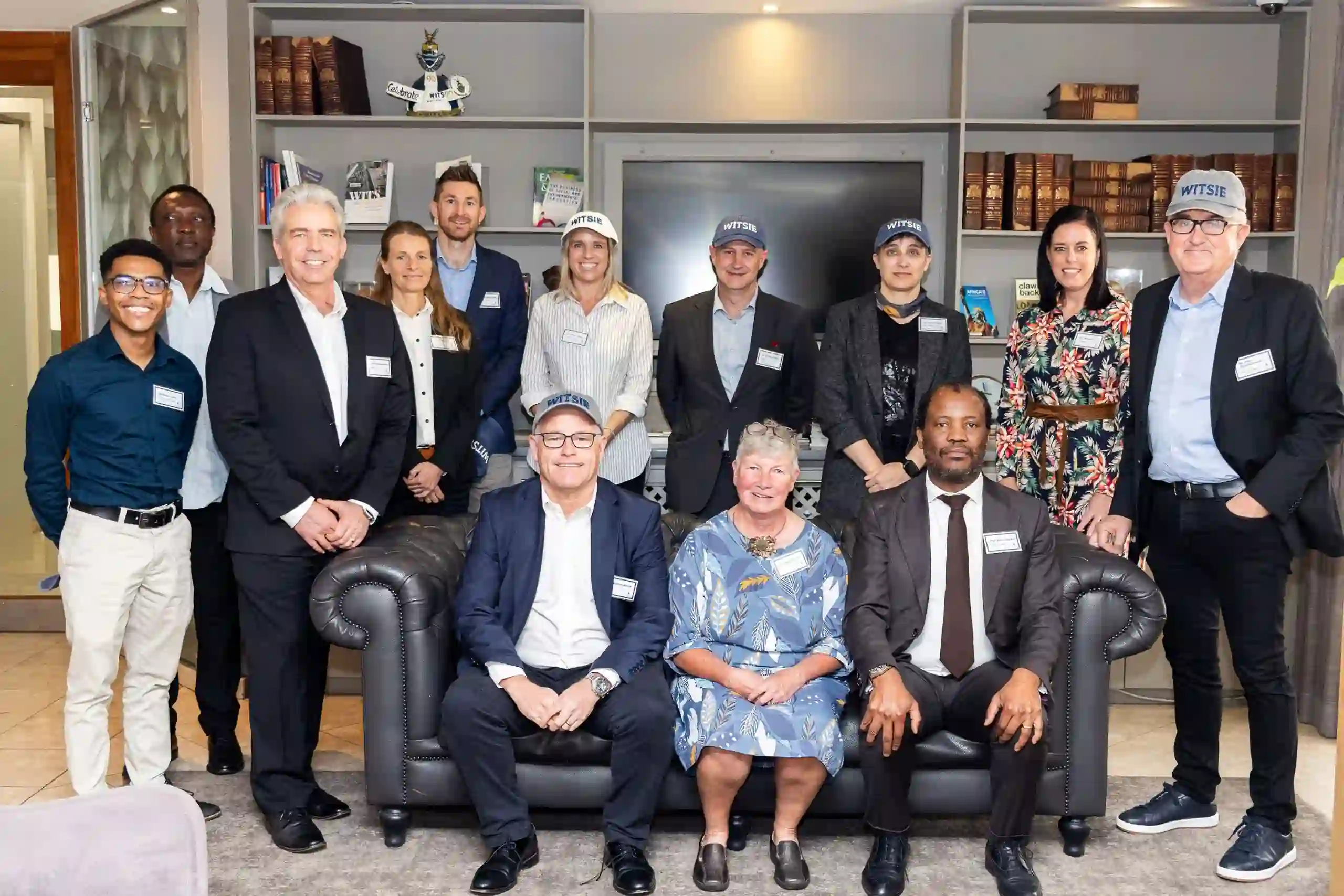
Wits University and Sappi renew forestry research partnership to boost forest resilience to the impacts of climate change
Wits University and Sappi Southern Africa have renewed their research partnership to increase forestry resilience to climate change risks, by extending the Wits Sappi Chair in Climate Change and Plantation Sustainability until 2028.

Dry Hands, Healthier Communities: The Case for Paper Towels
October 15, 2025 – Global Handwashing Day (marked annually on 15 October) is a reminder that something as simple as handwashing can make a profound difference to public health and disease control. This year’s theme, “Clean hands are within reach,” highlights that proper hand hygiene goes beyond soap and water. How we dry our hands is in fact […]

Paper packaging tops the charts for sustainability and recyclability, says global survey
Consumers appreciate paper-based packaging for its recyclability and lower environmental impact OCTOBER 7, 2025 – A global survey on the print and paper industry confirms that paper-based packaging remains South Africa’s preferred sustainable packaging choice. Consumers value paper-based packaging for its recyclability, biodegradability or compostability, lower environmental impact, affordability, safety, and its ability to display clear […]
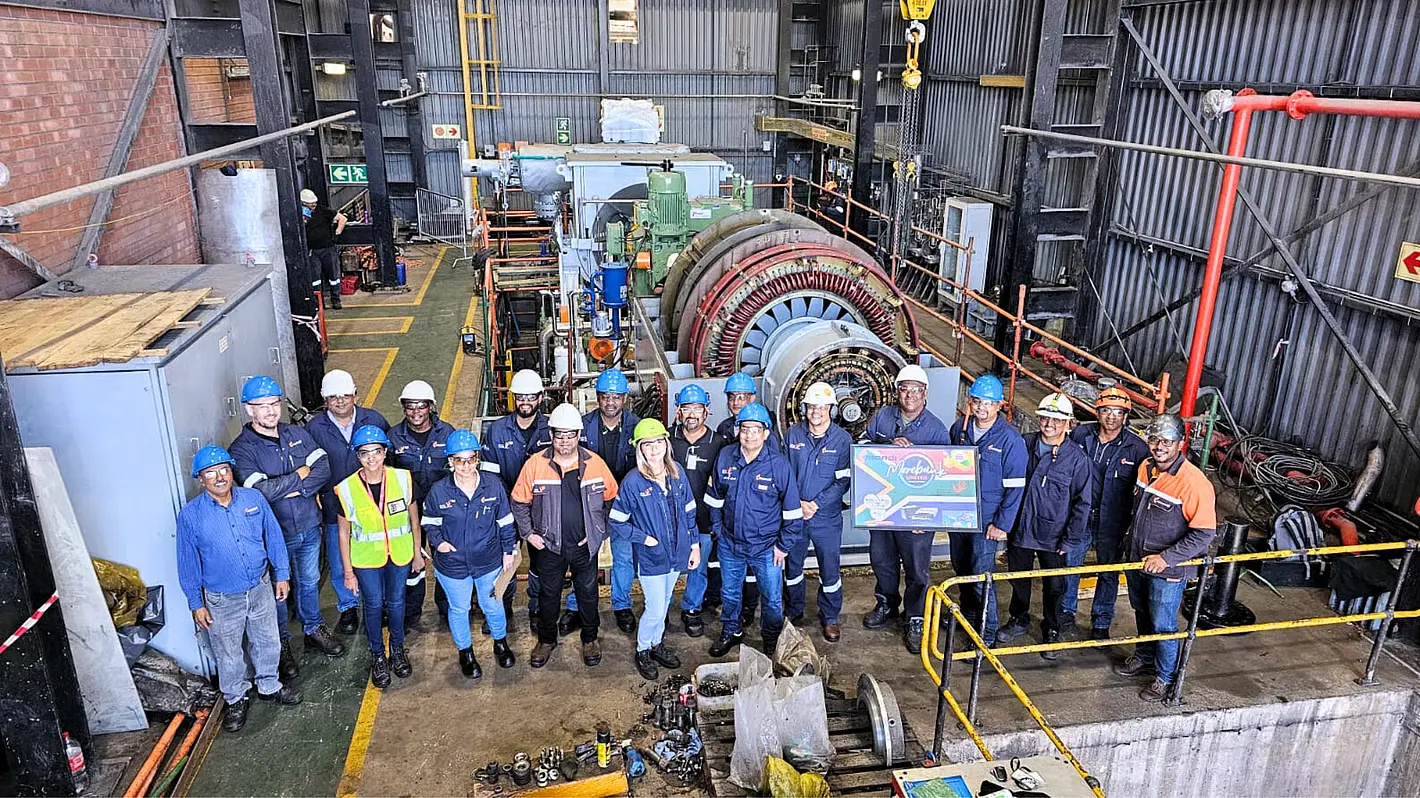
Mondi South Africa drives energy self‑sufficiency and climate resilience with new turbine and flood‑proofing projects
Mondi, a global leader in sustainable packaging and paper, has achieved a major sustainability milestone at its Merebank mill in Durban, South Africa, with the installation of a new turbine in the site’s power plant.
News
More than trees: how South Africa’s forestry sector grows the economy
South Africa’s forestry sector contributes an estimated R8 billion to the country’s GDP, while supporting more than 150 000 jobs and livelihoods – many of them in rural areas where economic opportunities are limited. Beyond its direct contribution, the sector supports a further R58 billion in value-added activity across downstream industries, including sawmilling, pulp and paper, packaging and construction.
South Africa’s paper recycling rate climbs to 63.3%
Through paper mills and a nationwide network of collectors – including small recycling businesses and informal waste pickers – around 1.2 million tonnes of paper and paper packaging are diverted from landfill each year and returned to the recycling loop, where they are used again to produce new paper products such as packaging and tissue.
Driving the Forest-Based Bioeconomy: A Call to Action from the Private Forest-based Sector
Forest-based value chains represent the most advanced and scalable foundation of the global bioeconomy. Through sustainably managed forests and efficient, circular use of biomass, the sector delivers renewable materials, carbon storage & material substitution, biodiversity co-benefits, and quality employment, particularly in rural areas.
Meet six young women who are turning science into sustainability solutions
South Africa’s pulp and paper sector has been opening doors for a growing cohort of young women who apply science and engineering to making the circular bioeconomy a reality.
Give Mother Nature the perfect gift – the resolution to recycle more
KeDezemba in Mzansi is not only a season of summer vibes, family time and opening presents – it’s also the perfect moment to clear out our homes and offices, giving paper and cardboard a second life instead of banishing them to landfill.
Forests, Communities & the Circular Economy: Insights from COP30 of climate change
COP30 in Belém saw the first-ever theme days on the bioeconomy. As such, there were an impressive number of sessions and side events that focused on how the forestry sector is championing the circular bioeconomy and calling for a nature-positive economic model that will support a climate-resilient future.
Wits University and Sappi renew forestry research partnership to boost forest resilience to the impacts of climate change
Wits University and Sappi Southern Africa have renewed their research partnership to increase forestry resilience to climate change risks, by extending the Wits Sappi Chair in Climate Change and Plantation Sustainability until 2028.
From Papyrus to Biorefineries: PAMSA at G-STIC 2025
In October, Jane headed to Pretoria for a panel discussion on ‘Biomass and the bioeconomy’ at the G-STIC (Global Sustainable Technology and Innovation Community). The conference was the organisation’s 8th and was held in conjunction with the CSIR’s 80th birthday celebrations.She was asked to look at what the new opportunities are for what is a […]
From Mills to Nurseries: Ministerial Delegation Gains Firsthand Insight into Forestry
Over two days during National Arbour Week in early September, Sappi, in collaboration with Forestry South Africa (FSA) and PAMSA – hosted now former Minister Dion George, Deputy Minister Narend Singh and a delegation from the Department of Forestry, Fisheries and the Environment (DFFE) to showcase the sector’s efforts in the areas of innovation, local […]
Partnering for a Climate-Smart KwaZulu-Natal
On 15–16 August 2025, during the Climate Change Workshop in KwaZulu-Natal, PAMSA’s executive director, Jane Molony, joined the Honourable Premier, Mr Thamsanqa Ntuli, where she was invited to speak on the topic Climate Change and the Economy